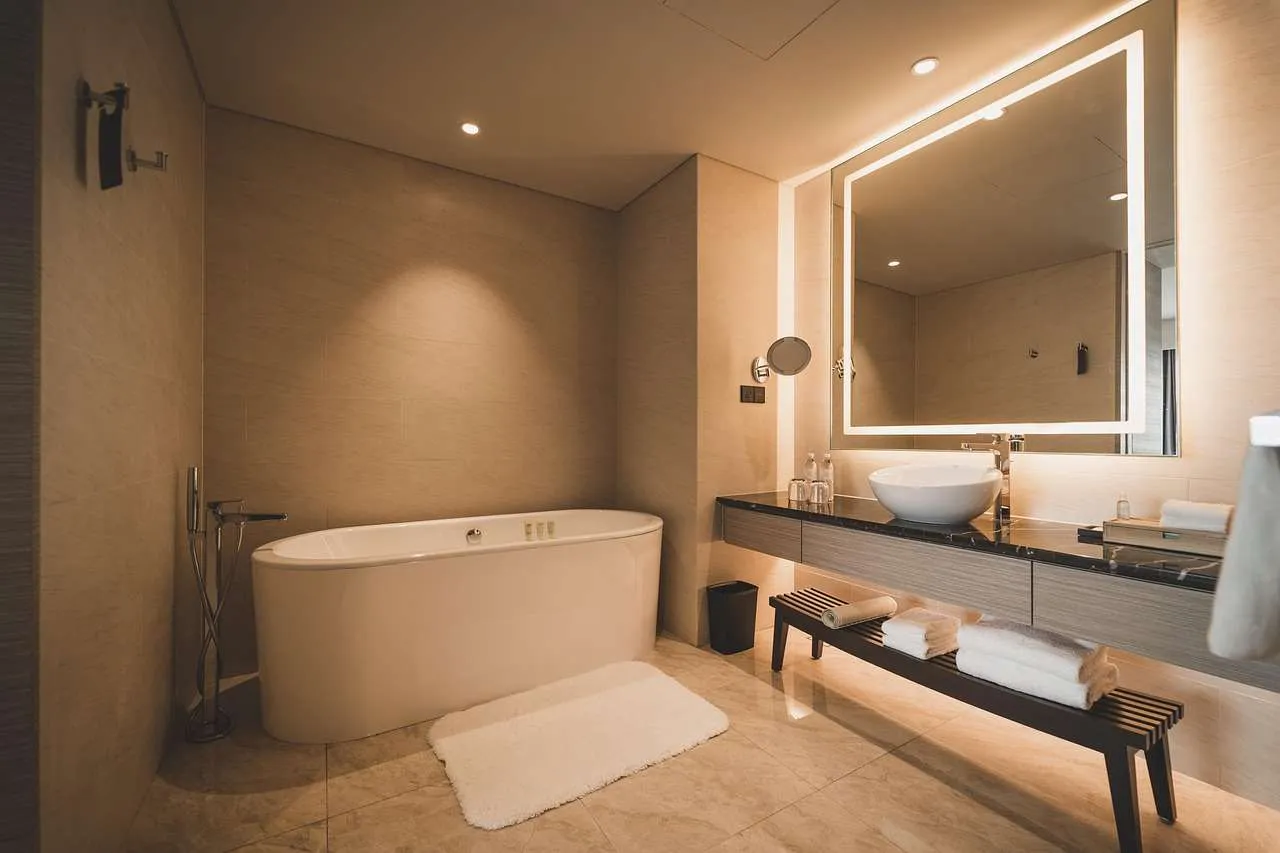
Small bathrooms often pose a challenge, but with thoughtful planning and the right fixtures, you can create a space that feels larger, more functional, and still stylish. This guide combines practical layout strategies, durable materials, and trusted design practices to help homeowners achieve a high-performance bath without sacrificing comfort.
Smart Space Planning for Small Bathrooms
Maximizing a compact bathroom starts with smart planning. Measure critical clearances (door swing, vanity depth, and shower access) and design around them. If possible, replace a standard hinged door with a pocket or barn door to free floor space. Build vertical storage and consider recessed niches to keep the floor area open. For EEAT credibility, rely on licensed designers or contractors for final layouts, and prioritize accessible paths if you anticipate aging in place or mobility needs.
Space-Saving Layouts and Compact Fixtures
Compact Fixtures
Choose wall-hung or pedestal sinks and wall-hung toilets to create the illusion of more floor space. A shallow vanity with integrated storage can hide everyday items, while a slim profile vanity keeps sightlines clear. Round or oval basin shapes can soften corners and improve flow in tight rooms.
Efficient Shower Design
A frameless or minimal-framed shower enclosure with clear glass visually expands the space. If a tub is essential, opt for a compact 52–60 inch tub or a tub/shower combo with a shallow depth and hinged doors that swing out of the way.
Color, Materials, and Lighting
Light colors and reflective surfaces are the simplest way to visually enlarge a small bathroom. Consider white, pale gray, or soft beige walls paired with large-format porcelain tiles that reduce grout lines. Mirror placement matters: a full-width mirror above the vanity or a wall-to-wall mirror can double perceived space. Layer lighting with ceiling ambient, vanity task lighting, and a shower niche light to eliminate shadows and create depth.
Storage Solutions
Smart storage keeps floors clear and the space calmer. Use recessed shelving in the shower, a medicine cabinet with mirrored doors, and a tall, narrow cabinet beside the toilet. Floating shelves or a slim linen cabinet placed high on a wall maintain storage without crowding the room. Under-sink organizers and pull-out drawers help maintain a neat, clutter-free appearance.
Shower and Bath Options for Small Bathrooms
Walk-in Shower with Frameless Glass
A walk-in shower with frameless glass is a favorite for small spaces because it minimizes visual bulk and enhances light flow. Incorporate built-in niches for toiletries and ensure a precise waterproofing plan during installation. This option is ideal for contemporary interiors and enhances accessibility if you opt for a low-threshold entry.
Corner Shower Stall
If space is extremely limited, a corner shower stall with a curved or square enclosure can maximize usable area. This configuration often provides efficient water containment and a simple layout that works well with tiling and an inexpensive showerhead setup.
Budget, Materials, and Maintenance
Budgeting for a small bathroom benefits from choosing durable, low-maintenance materials. Porcelain tiles, tempered safety glass, and solid-surface countertops resist daily wear with minimal upkeep. Select water-efficient fixtures and LED lighting to reduce operating costs. For longevity, hire a licensed contractor for waterproofing and a professional installer for precision cuts and sealants. A well-planned budget includes contingencies for plumbing adjustments and potential relocation of fixtures to improve flow.
Comparison Table: Shower and Fixture Options
| Option | Pros | Cons | Ideal For | Typical Cost |
|---|---|---|---|---|
| Walk-in shower with frameless glass | Feels spacious; easy to clean; accessible | Higher upfront cost; needs precise waterproofing | Small bathrooms seeking openness and modern look | $2,000–$6,000 |
| Corner shower stall | Efficient use of corner space; budget-friendly | Less airy; limited tile options | Very small bathrooms or tight budgets | $1,000–$4,000 |
| Compact tub/shower combo | All-in-one solution; good for families | Takes more space; reduces storage area | Homes with kids; limited budget | $1,500–$5,000 |
| Wet room with partial enclosure | Maximum space feel; flexible layout | Higher waterproofing and plumbing costs | Larger or open-plan bathroom areas | $3,000–$10,000 |
Key Takeaways and Action Plan
To turn small bathroom ideas into reality, start with a precise plan that prioritizes motion, light, and storage. Choose fixtures that save space, use color and lighting to expand the sense of depth, and install smart storage that hides clutter. By investing in proper waterproofing, quality fixtures, and professional installation, you achieve a durable, stylish bathroom that performs well every day.
Summary: Applying these small bathroom ideas—smart planning, compact fixtures, organized storage, and good lighting—delivers a space that feels larger, works better daily, and remains timeless.